Operating network models
Represent facilities, supply relationships and service dependencies with relevant parameters and constraints.
Planned modelling engagements for organisations with specific operating rules and data requirements. Represent supply, infrastructure or business networks to assess cascading consequences, operating constraints and recovery strategies, supporting business continuity planning and the evaluation of resilience investments.
Enterprise service in development · Model scope and deliverables agreed by engagement
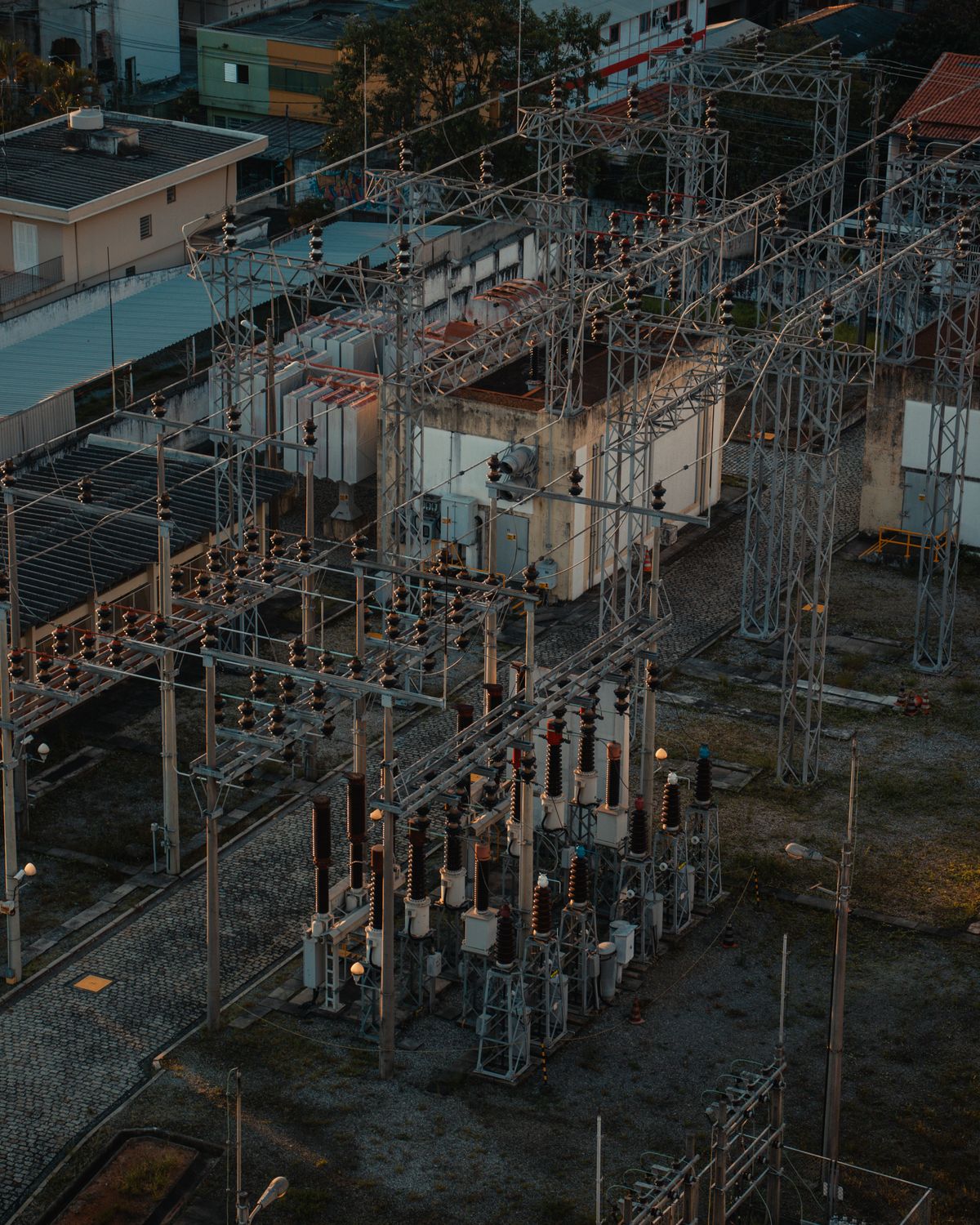
Disruption propagation depends on capacity, inventory, demand and restoration sequencing. Custom modelling selects methods around the organisation's operating rules and decision objectives, balancing analytical depth, available evidence and long-term maintenance requirements.
Represent facilities, supply relationships and service dependencies with relevant parameters and constraints.
Compare how interruption, recovery and intervention conditions affect critical operations.
Use historical evidence or expert review to assess model behaviour and define update procedures.
Examine interacting propagation pathways and their combined operating consequences.
Evaluate recovery and resource allocation approaches under consistent conditions.
Provide a maintainable model structure for recurring risk assessment.
Model fidelity, validation criteria, code usage rights and maintenance responsibilities are agreed for each project. Models support analysis and do not directly control safety-critical systems.
Engage with DominoRisk on risk intelligence, exposure analysis and resilience priorities.